

the window has closed on these capitals
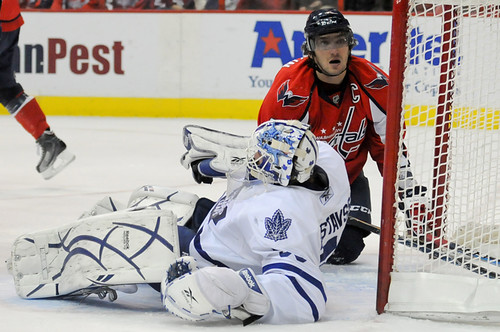
(photo by Brian Murphy)
Growing up, the Washington Capitals were the epitome of a blue-collar team.
They never had the biggest names in hockey, but they earned respect thanks to their desire to outwork and outhustle opponents into submission.
While our nation’s capital will never be confused for a blue-collar town, that lunch pail mentality served the franchise well as the team qualified for the postseason 14 consecutive seasons – starting with the 1982-83 season and running through the 1995-96 campaign.
The Capitals typically lost in the first round of the playoffs, but the bar was set low enough locally that simply qualifying for the postseason was good enough to keep most fans happy.
And then there was the 1997-98 season, where everything came together for the Caps in a perfect storm of skill, determination and a lot of luck.
Goalie Olaf Kolzig, playing some of the best hockey* of his stellar career, backstopped the team’s run to the Stanley Cup Finals and for a brief moment it seemed like the Capitals might actually be capable of shocking the hockey-watching world.
Unfortunately, the Detroit Red Wings never got the memo and any dreams of seeing Peter Bondra raise the most storied hardware in all of sports were snuffed out in a hurry.
After 24 seasons of good, but rarely great hockey, the Capitals had finally elevated their play to hockey’s grandest stage – only to get steamrolled by a franchise that has drank from Lord Stanley’s Cup 11 times.
*Even after being swept by Detroit, Kolzig finished the playoffs with a 12-9 record, a 1.95 goals against average, a .941 save percentage and four shutouts. That’s called getting it done, boys and girls.
And yet, although Washington suffered a beatdown in the finals, most Caps fans were just thankful for the experience. When you root for a team with little to no expectations, you’re able to celebrate the victories and brush off the setbacks easier than most.
Fast forward to the 2003-04 season when Capitals owner Ted Leonsis and his general manager, George McPhee, took a critical look at their roster and came to the gutsy decision to blow it all up and start over from scratch.
By their own admission, Leonsis and McPhee saw a team that was good enough to make the playoffs each year, but wasn’t much of a threat to do anything once the postseason began.
The new regime refused to accept mediocrity, so they traded away aging veterans to stockpile young prospects and draft picks while bracing for a painful rebuilding process known simply as “the plan.”


